Alveolus
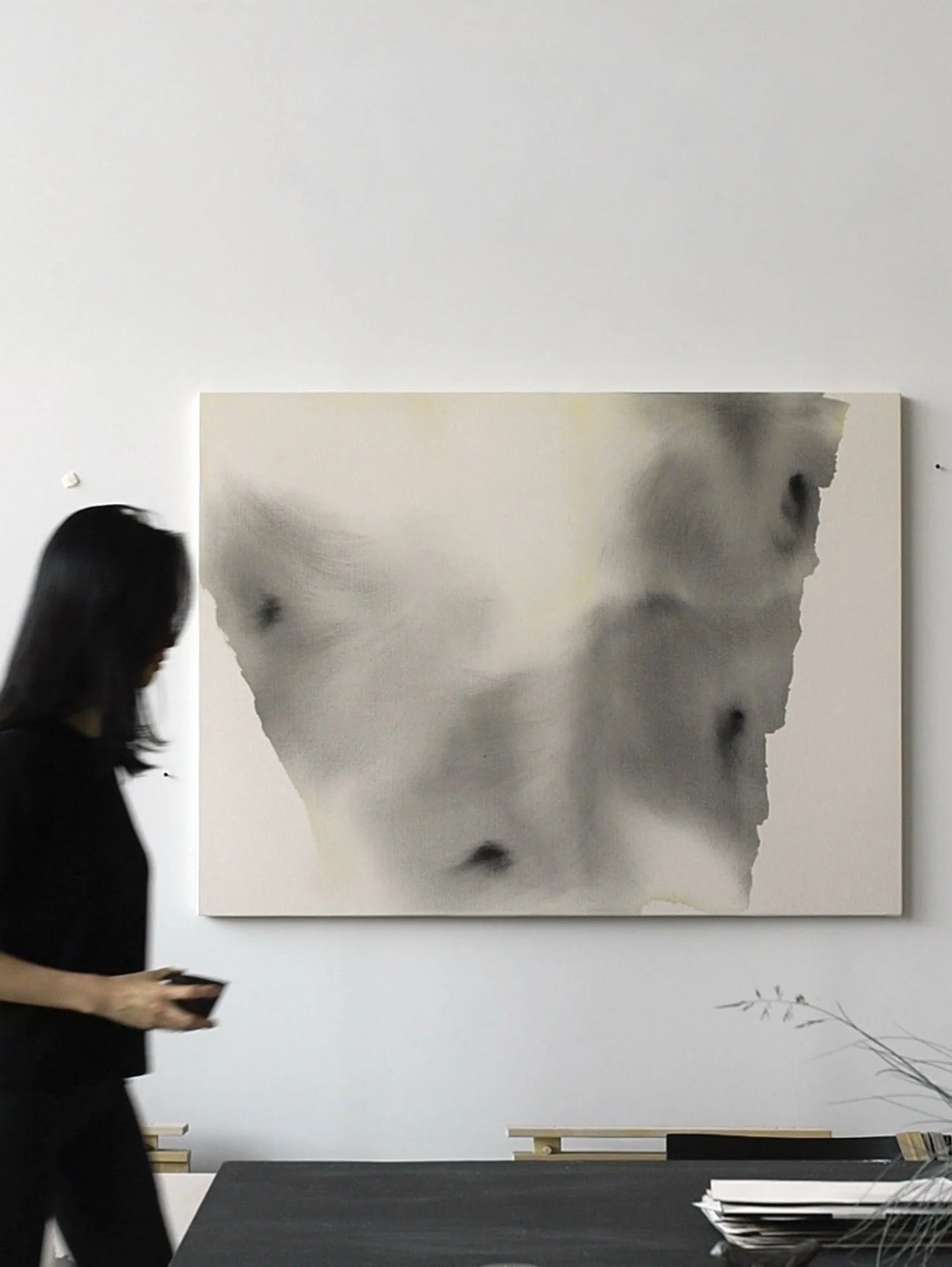
Pulmonary Alveolus 057 | 130 × 97cm | oil on canvas | 2026
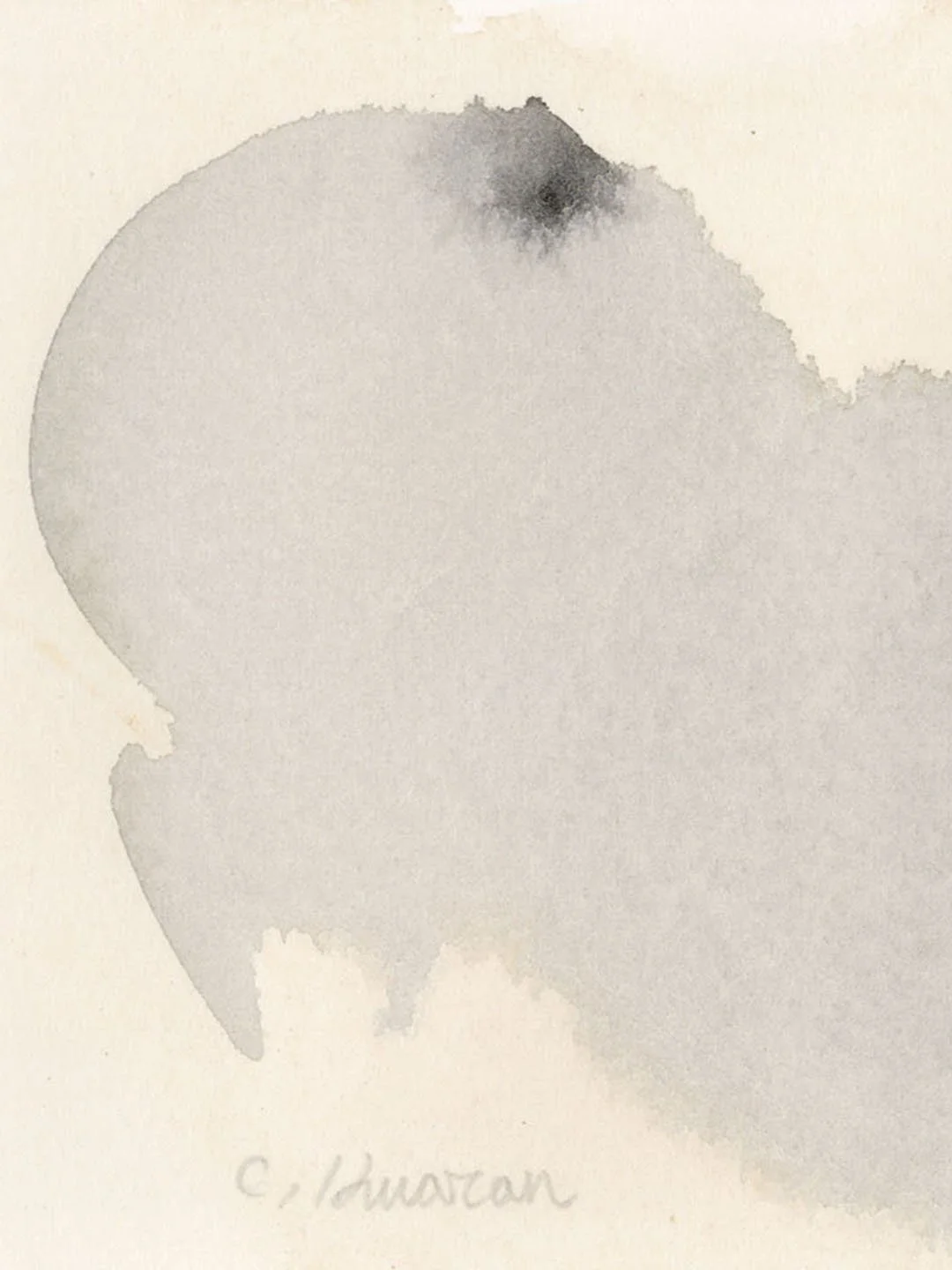
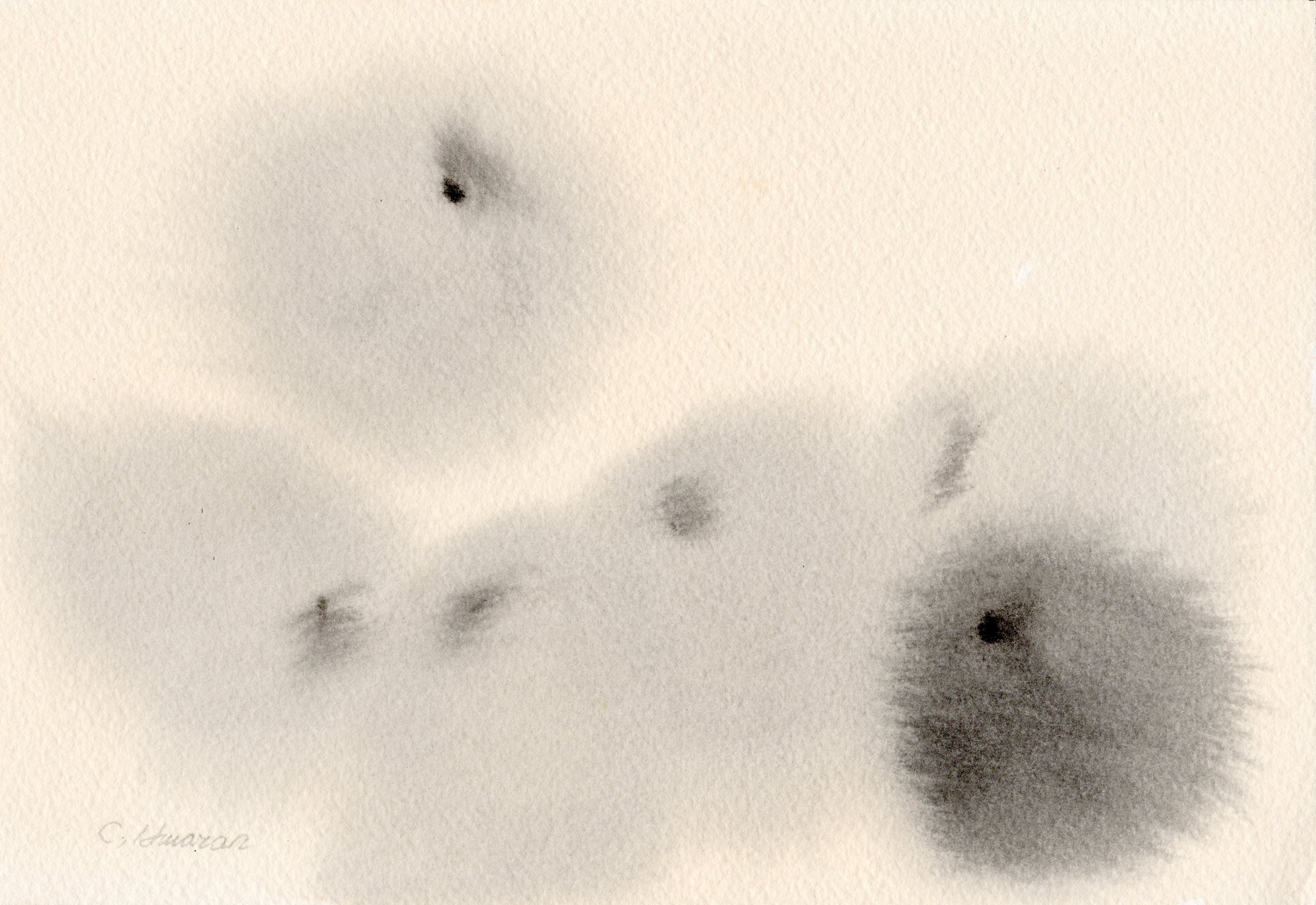
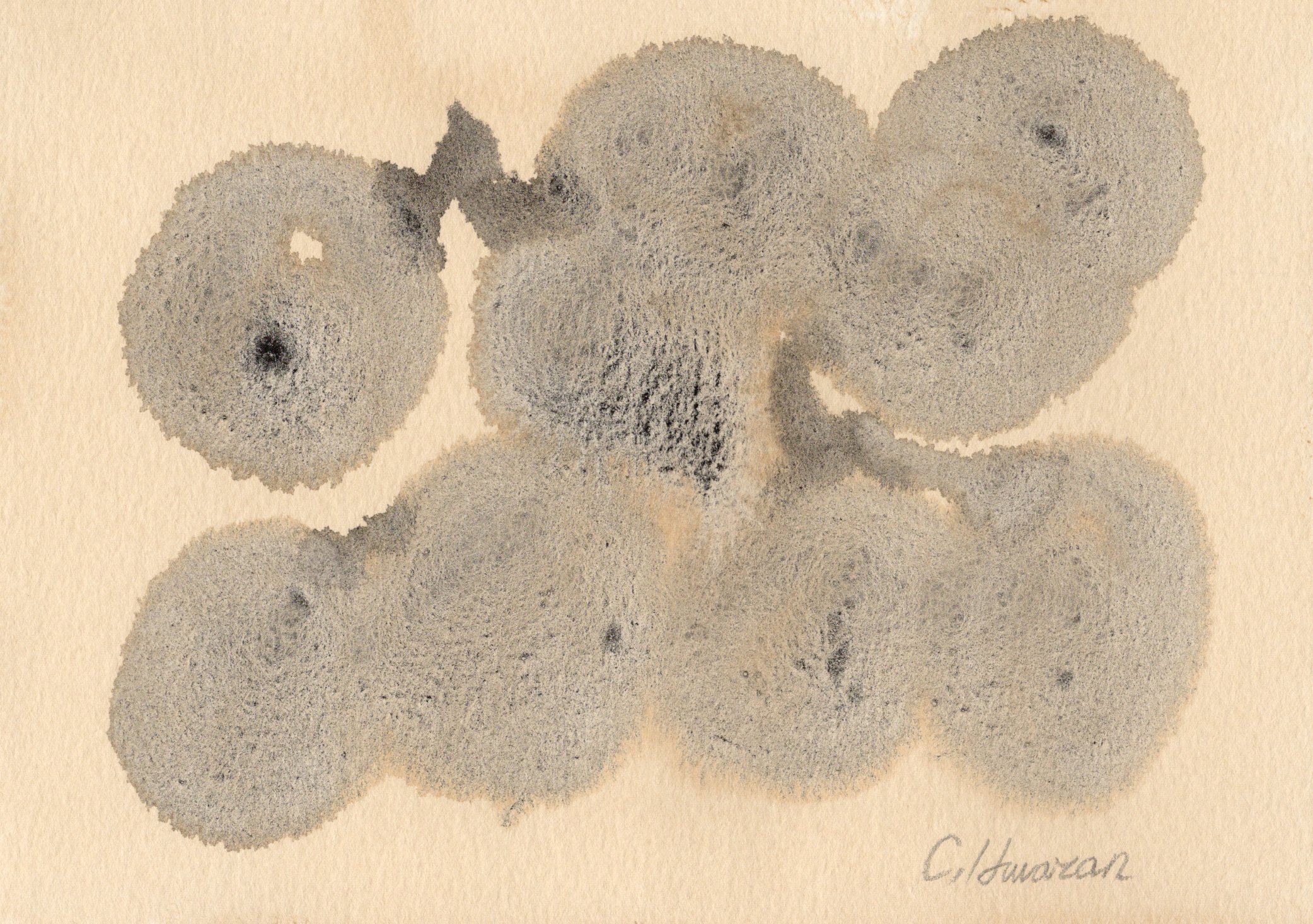
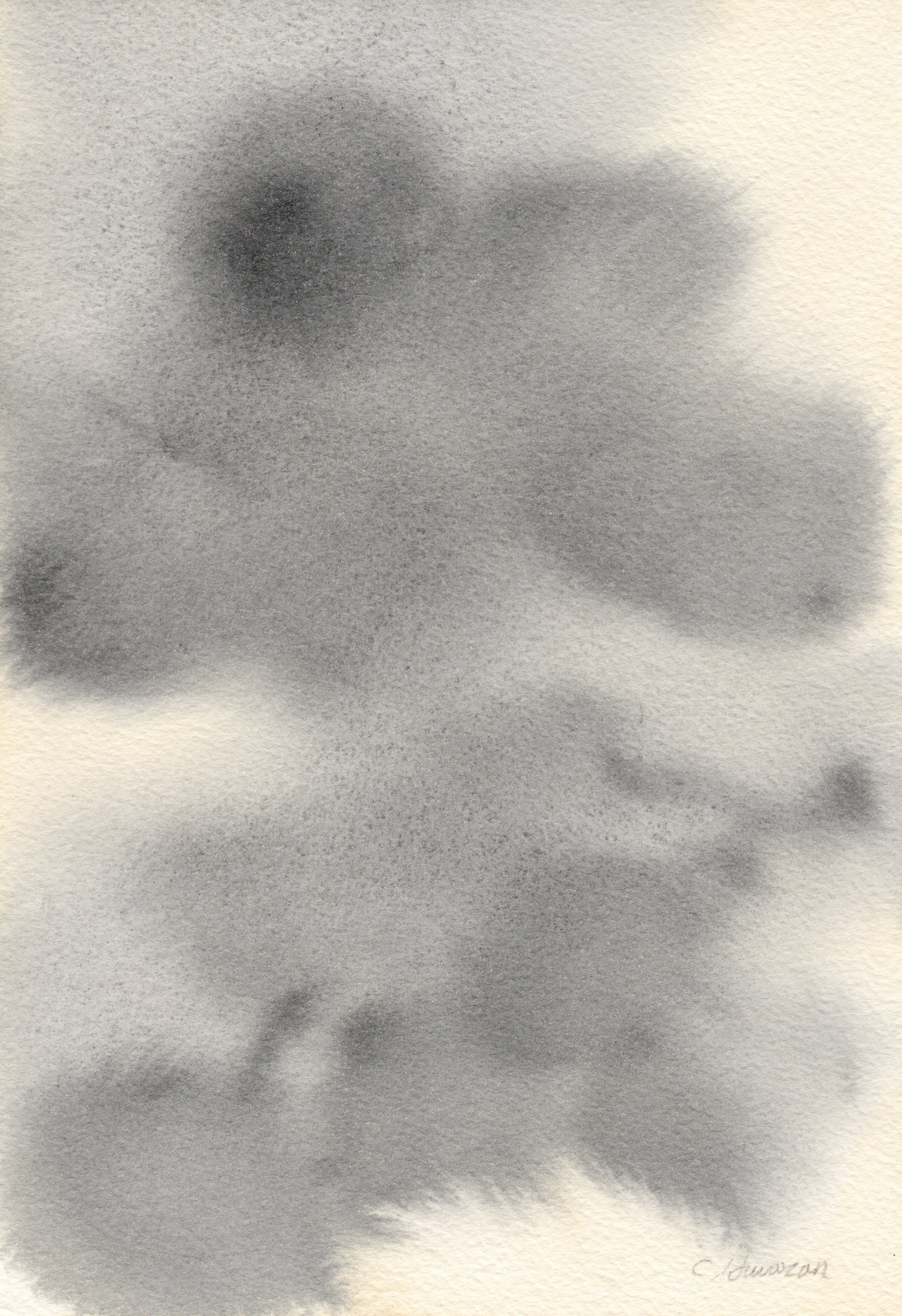
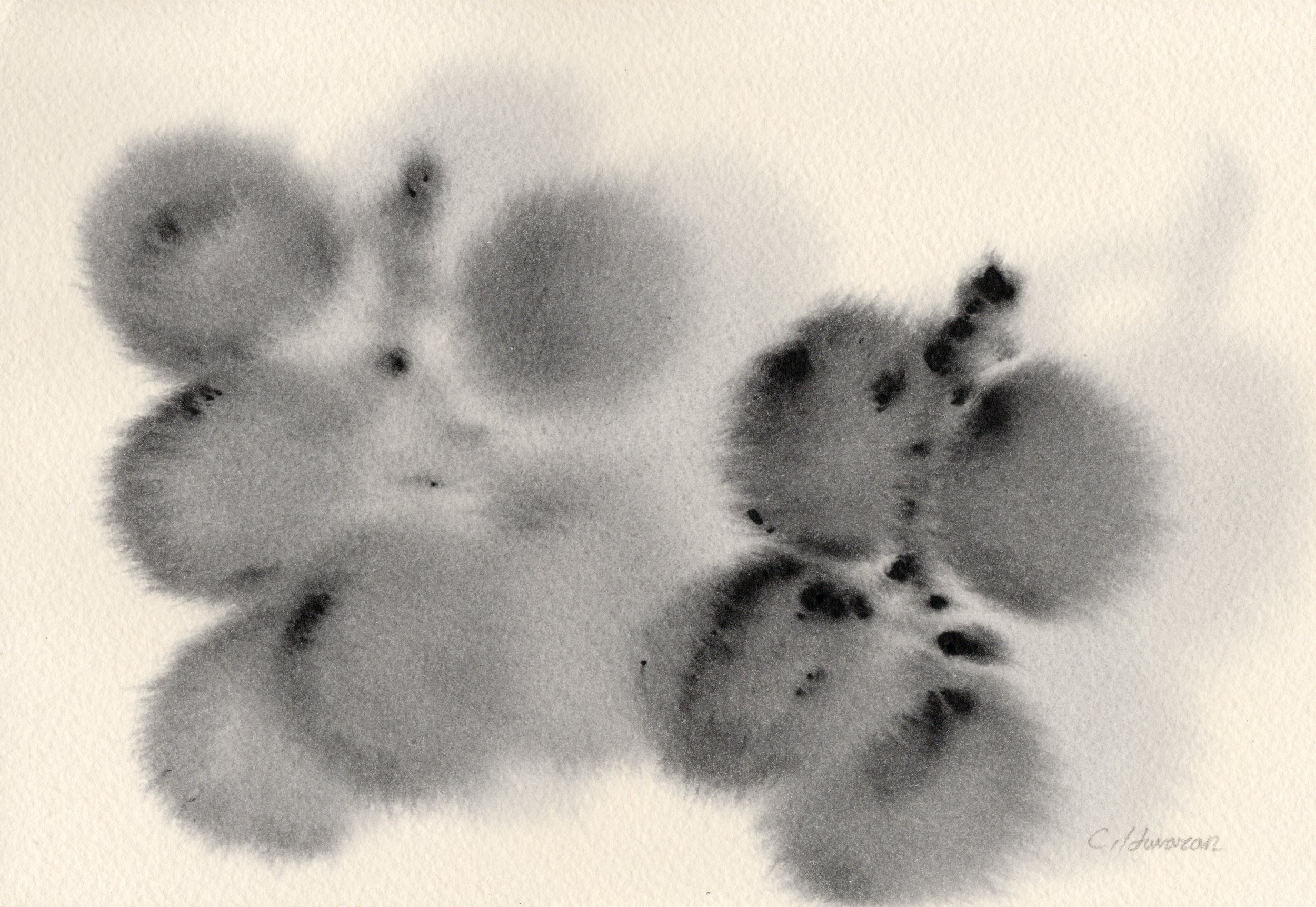
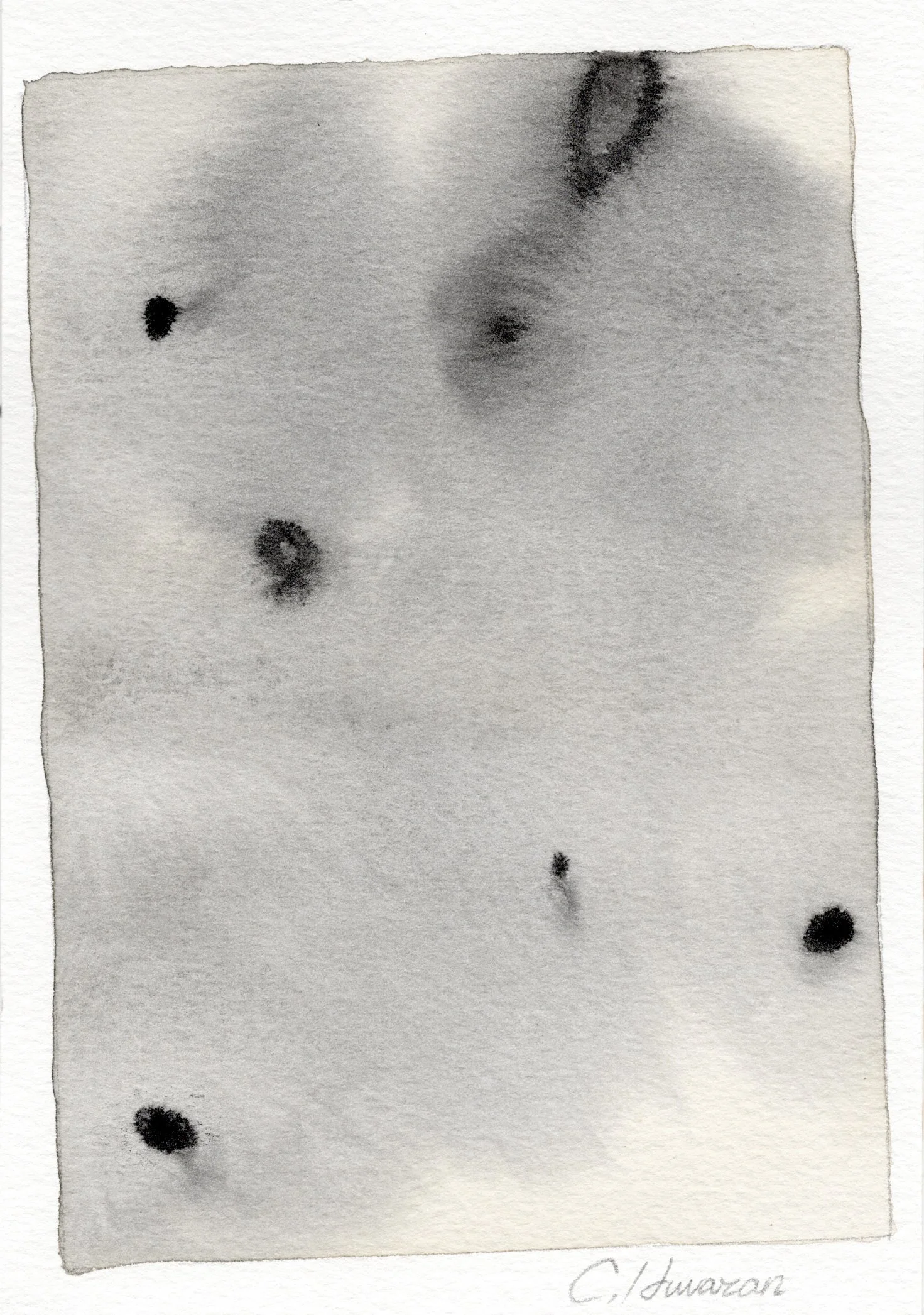
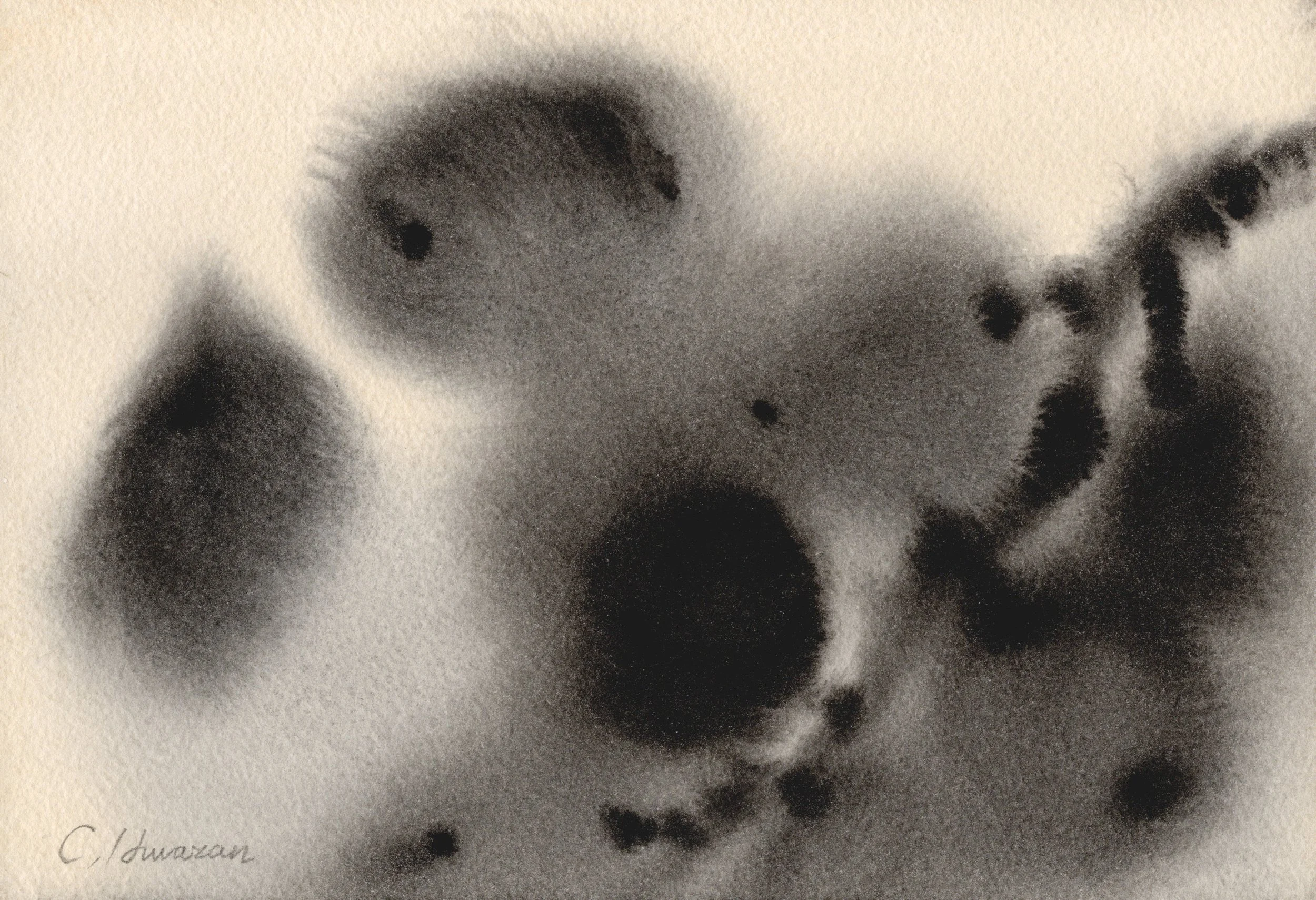
Alveolus records the daily changes in breath and bodily sensation on paper and canvas. The air and seasons of unfamiliar places, and the shifts in body and mind within them, find expression in spreading paint, tonal variations, and forms that gather and loosen. While watercolours record the movement of water and pigment on a particular day, oil paintings revisit that moment through repeated brushwork, building thin layers. Like the breath that continues each day yet is never quite the same, the work unfolds through noticing small differences in everyday life.
《Alveolus, 폐포》는 매일 달라지는 호흡과 몸의 감각을 종이와 천 위에 기록하는 연작이다. 낯선 장소의 공기와 계절, 그 안에서 변하는 몸과 마음의 상태가 물감의 번짐과 농담, 모이고 풀어지는 형상에 담긴다. 수채화가 그날의 물과 안료가 움직인 순간을 기록한다면, 유화는 얇은 층을 쌓는 반복적인 붓질로 그 순간을 다시 바라본다. 매일 이어지지만 한 번도 같지 않은 숨처럼, 작업은 일상 속 작은 차이를 알아차리는 데서 이어진다.












About the Series
Hwaran Cho’s 《Alveolus series》 explores the structure and rhythm of breathing through painting. Taking this basic, life-sustaining activity as its starting point, the work examines exchanges between inside and outside, the gathering and spreading of forms, and the formation and dissolution of boundaries. Cho brings her understanding of materials from Korean painting to watercolour paper and cotton canvas, making the invisible movements of life visible through the interaction of water, pigment, and the surface beneath them.
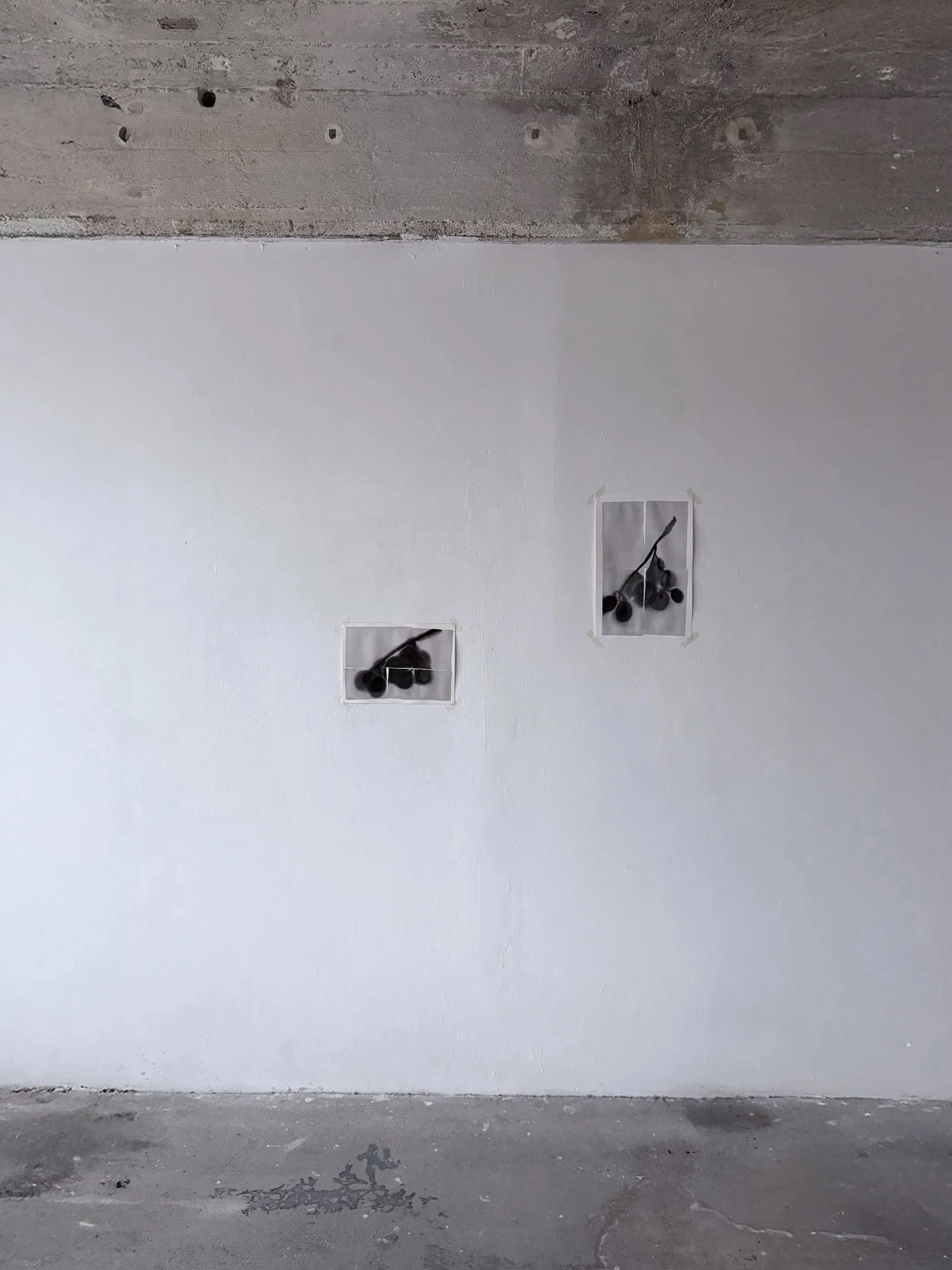
An alveolus is a small air sac in the lungs where oxygen and carbon dioxide are exchanged. The rounded forms and branching lines in her paintings recall the connected structures of the alveoli while also retaining the appearance of grapes as a still-life subject. This allows the images to move between representation and abstraction. The tones and edges created as paint spreads or gathers suggest the flow of breath, while individual forms connect with and separate from one another.
The work develops through four perspectives: “inhalation,” “exhalation,” “multiple frames,” and “a single frame.” Inhalation and exhalation relate to processes of receiving and releasing, gathering and spreading. The multiple frames explore relationships between the individual, the surrounding environment, and different identities, creating a structure in which separate areas support one another’s boundaries. Within a single frame, these relationships are brought together in one pictorial space. Paint spreading outwards from the centre loosens fixed boundaries and creates a space where inside and outside meet.
The amount of water, the concentration of pigment, temperature, humidity, and drying time all play a part in shaping the paintings. In Leipzig in 2024, Cho established the work’s basic visual language by exploring how black paint spread and gathered within a square frame. In Belvès in 2025, layers of colour that emerged through slow drying, together with visible brushstrokes in the pale background, brought depth to the paintings. In Berlin in the summer of 2026, experiments with different drying conditions accompanied an exploration of new compositions, with combinations of forms suggesting natural landscapes or the human body.
The relationship between black and misaek shapes the work’s use of colour. Misaek is a Korean term for a soft, rice-coloured off-white. Black reveals the density and movement of the forms, while misaek creates subtle differences in colour and a sense of depth between the forms and the background. Rooted in the natural colours of hanji, traditional Korean paper, and cotton canvas, misaek also connects to Cho’s experience of mixing colours found in nature to create skin tones in traditional painting. The surface contributes its own colour and the texture of its fibres, revealing the spread of pigment and the traces of the brush.
The works on paper and the oil paintings hold time in different ways. In the watercolours, the movement and drying of water and pigment are recorded directly on the paper. In the oil paintings based on these works, Cho repeatedly applies thin layers with a dry brush on cotton canvas, recreating the spreading effects and transparent layers through a different material. As an image first formed in watercolour takes shape again through repeated brushwork in oil, the two media connect the recording of a moment with a sustained process of looking.
Beginning with a tiny structure inside the body, Alveolus broadens the meaning of breath to explore relationships between the individual, the environment, and living things. Variations within repeated forms and the movement of materials reveal the flow and connectedness of life. Cho’s paintings invite us to notice and reflect on the breathing we repeat every day, exploring the exchanges and balance that sustain life.
© Hwaran Cho
조화란의 《Alveolus, 폐포》 시리즈는 호흡의 구조와 리듬을 회화의 형식으로 탐구한다. 생명을 유지하는 기본적인 활동인 호흡을 출발점으로, 안과 밖의 교환, 형태의 응축과 확산, 경계의 형성과 해체를 다룬다. 한국화에서 익힌 재료의 감각을 수채화지와 면천으로 확장하며, 물과 안료, 바탕 재료의 상호작용을 통해 보이지 않는 생명의 움직임을 시각화한다.
폐포는 폐 안에서 산소와 이산화탄소의 교환이 이루어지는 작은 공기주머니다. 작품에 나타나는 둥근 형체와 가지 형태의 선은 폐포의 연결 구조를 연상시키는 동시에 포도라는 정물의 형태를 유지한다. 이러한 중의성은 구상과 추상의 경계를 유동적으로 만든다. 물감이 퍼지거나 응집되면서 형성하는 농담과 윤곽은 호흡의 흐름을 드러내며, 개별 형태들이 서로 연결되고 분리되는 관계를 구성한다.
작업은 ‘들숨’과 ‘날숨’, ‘여러 개의 틀’과 ‘하나의 틀’이라는 네 가지 관점을 중심으로 전개된다. ‘들숨’과 ‘날숨’은 받아들임과 방출, 응축과 확산의 과정에 대응한다. ‘여러 개의 틀’은 개인을 둘러싼 환경과 다양한 정체성의 관계를 드러내며, 분리된 영역들이 서로의 경계를 지탱하는 구조를 형성한다. ‘하나의 틀’에서는 이러한 관계가 단일한 화면 안에 집약된다. 중심에서 바깥으로 확산되는 물감은 고정된 경계를 느슨하게 하며, 내부와 외부가 교차하는 공간을 만든다.
물의 양과 안료의 농도, 온도와 습도, 건조 시간은 화면을 형성하는 주요 조건이다. 2024년 라이프치히에서는 사각형의 틀 안에서 검정색 물감의 확산과 응집을 탐색하며 작업의 기본적인 조형 언어를 정립했다. 2025년 벨베스에서는 느린 건조 과정에서 나타나는 색층과 미색 배경의 필치가 회화적 깊이를 형성했다. 2026년 여름 베를린에서는 달라진 건조 조건에 대한 실험과 함께, 자연 풍경이나 인체를 연상시키는 형태의 조합으로 구성의 가능성을 확장했다.
검정과 미색의 관계는 작품의 색채 구조를 이룬다. 검정은 형상의 밀도와 흐름을 드러내고, 미색은 형상과 바탕 사이에 미세한 색의 차이와 공간적 깊이를 형성한다. 한지와 면천의 자연스러운 색에서 이어진 미색은 자연의 여러 색을 혼합해 피부색을 만드는 전통 회화의 경험과도 연결된다. 바탕은 고유한 색과 섬유의 결과 함께 화면의 형성에 참여하며, 안료의 번짐과 붓질의 흔적을 드러낸다.
종이 작업과 유화는 서로 다른 시간의 축적 방식을 보여준다. 수채화에서는 물과 안료가 이동하고 마르는 과정이 화면에 직접 기록된다. 이를 바탕으로 한 유화에서는 면천 위에 마른 붓으로 얇은 층을 반복해서 쌓아, 번짐과 투명한 층을 다른 재료로 재구성한다. 수채화에서 발생한 이미지가 유화의 반복적인 붓질을 통해 다시 형성되면서, 두 매체는 순간의 기록과 지속적인 관찰이라는 관계를 맺는다.
《Alveolus, 폐포》는 신체 내부의 미세한 구조에서 출발해 개인과 환경, 살아 있는 존재들 사이의 관계로 호흡의 의미를 확장한다. 반복되는 형상 안에서 발생하는 차이와 재료의 움직임은 생명의 유동성과 연결성을 드러낸다. 조화란의 회화는 일상적으로 반복되는 호흡을 감각과 인식의 대상으로 제시하며, 생명을 지속시키는 교환과 균형의 과정을 회화 안에서 살핀다.
©조화란
Alveolus Archive
-
![]()
On Misaek
A childhood lesson in mixing nature’s colours to paint human skin returns in the subtle shades of these paintings. Memories of sky, earth, trees, and water linger between black and off-white.
-
![]()
Breath 10 — Still life
A bunch of grapes on the studio table offers a place to begin. Letting go of distant ideas, I turn to what is in front of me and begin painting.
-
![]()
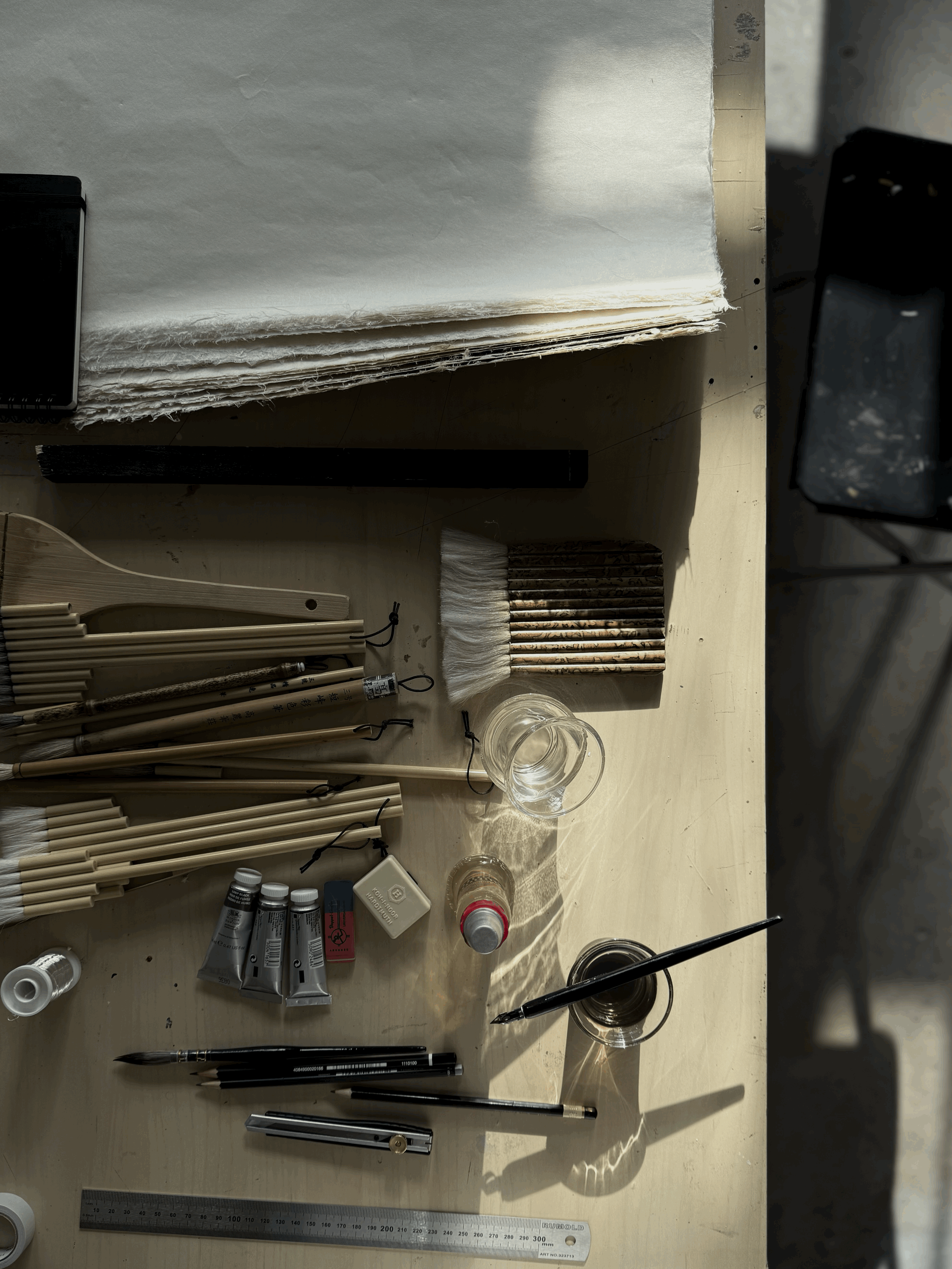
Breath 2 — Foreign air
Familiar brushes and carefully packed hanji arrive in an unfamiliar studio. Between the comfort of familiar materials and curiosity about new paper, I pause before making the first mark.